
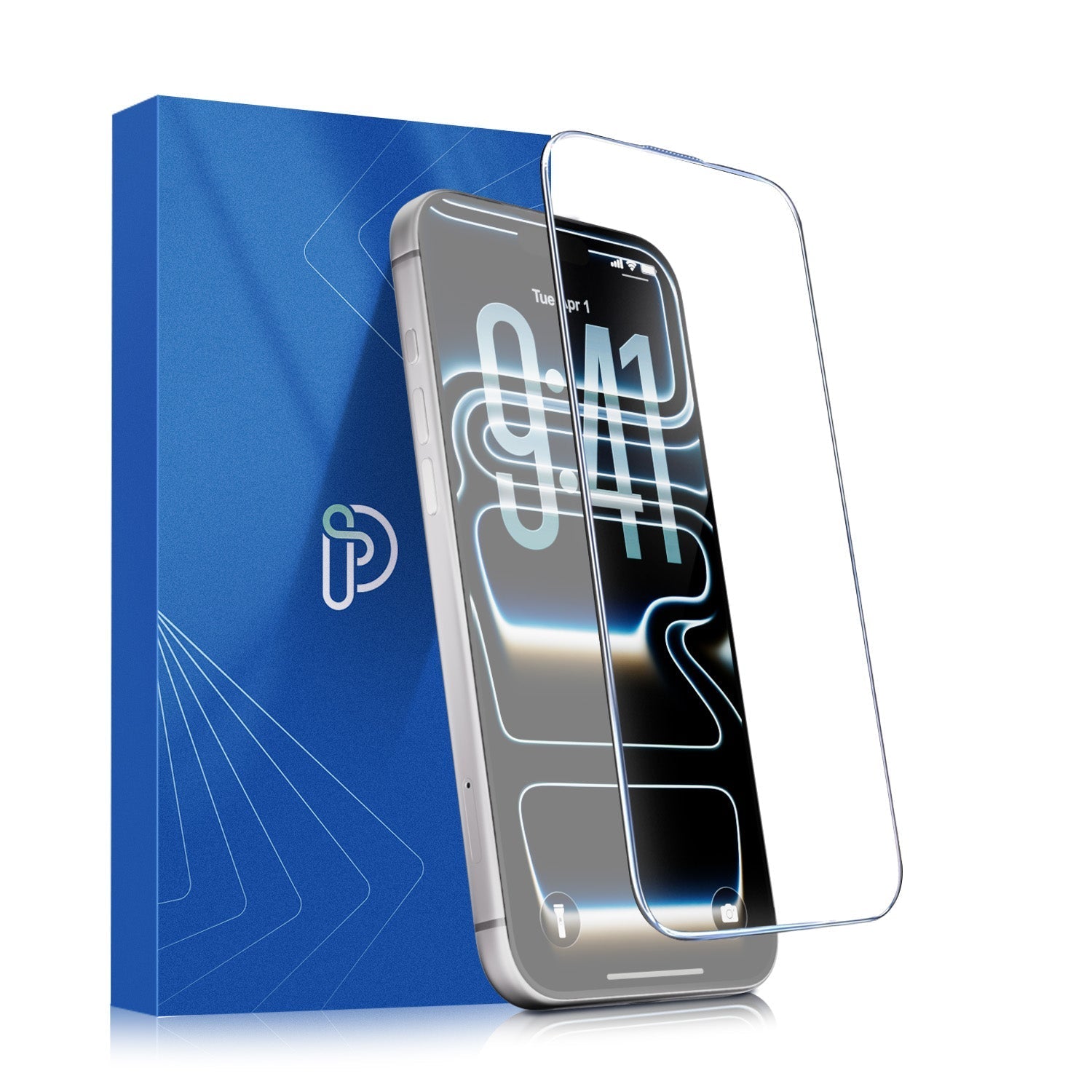
Is an AR Screen Protector Worth It for iPhone 17? Or Just Marketing Hype?
If you’ve searched for an AR screen protector or anti-reflective tempered glass recently, you’ve probably noticed that AR coatings are suddenly everywhere—especially with the release of iPhone 17.
But is AR tempered glass actually useful, or just another buzzword?
Let’s break it down simply.

What Is an AR Screen Protector?
AR stands for Anti-Reflective.
An AR screen protector is a tempered glass protector coated with multiple ultra-thin optical layers designed to reduce light reflection. This technology has long been used in:
- Camera lenses
- Prescription anti-glare glasses
- Professional display panels
Now, it’s being applied to smartphone screens.

Left: Screen protector without AR coating vs Right: Screen protector with AR coating

Why Screen Reflection Matters More Than You Think
Using a phone outdoors or under strong lighting often causes harsh reflections. This doesn’t just reduce visibility—it also:
- Forces your eyes to work harder
- Increases eye strain and fatigue
- Makes text and images appear washed out
Reflection is one of the main reasons screens look dim even at high brightness levels.
Apple Added AR Coating — So Why Do You Still See Glare?
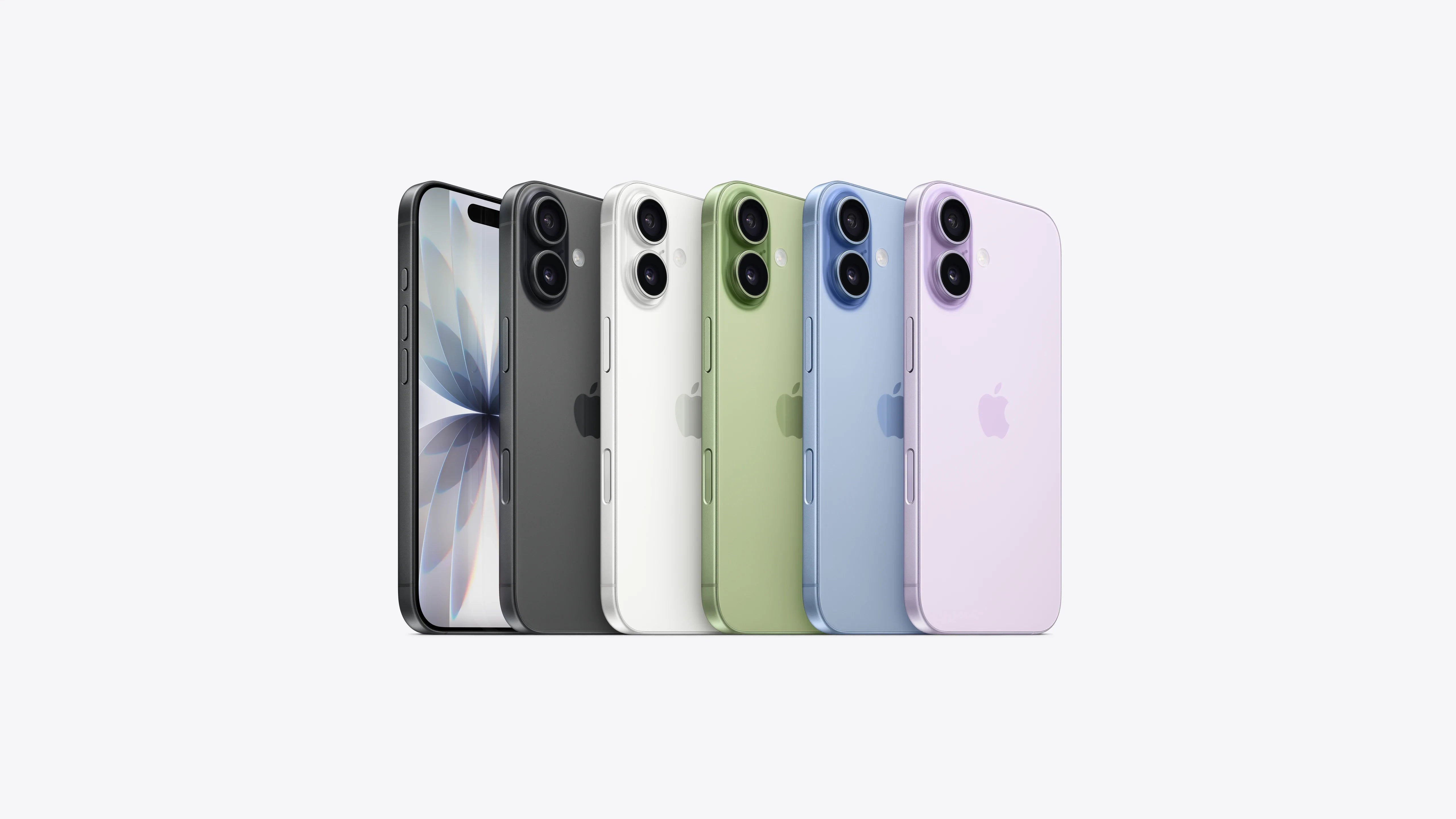
Apple officially confirmed that iPhone 17 displays include an AR coating, improving reflectivity compared to previous generations.

So why don’t most users feel a big difference?
Because once you install a regular tempered glass, light reflects again on the protector’s surface—canceling out much of Apple’s AR benefit.
In short:
AR screen + normal glass = reflection comes back
Why AR Tempered Glass Makes a Real Difference
An AR tempered glass screen protector solves this problem by:
- Preserving the original AR effect of the iPhone display
- Reducing surface reflections instead of adding new ones
- Improving readability in bright or outdoor environments
Real-world comparison:
- Screen off: AR glass looks noticeably darker, with blurred reflections instead of mirror-like glare
- Indoor lighting: reflections appear softer and less distracting
- Outdoor sunlight: content stays clearer without constantly adjusting angles

Is AR Screen Protector Right for Everyone?
Pros
- Significantly reduced glare
- Better outdoor visibility
- Less eye strain during long use
- Maintains original screen color and contrast
Cons
- AR coating wears over time (like any optical coating)
- Fingerprints may appear slightly more visible on a darker surface
For most users, replacing an AR protector is far more affordable than replacing a screen—or upgrading a phone.
Who Should Consider AR Tempered Glass?
AR screen protectors are ideal if you:
- Frequently use your phone outdoors
- Drive, travel, or work under strong lighting
- Care about display clarity and eye comfort
- Don’t want to lose iPhone 17’s native AR advantage
Final Verdict: Marketing Gimmick or Real Upgrade?
AR tempered glass is not a gimmick—but it’s also not for everyone.
If screen clarity, reduced glare, and visual comfort matter to you, it’s one of the most noticeable upgrades you can make to your iPhone display.
👉 Explore Protescreen AR Tempered Glass for iPhone 17 series
https://protescreen.com/products/ar-tempered-glass-screen-protector
Learn more about our optical screen protection technology:
https://protescreen.com/


Leave a comment
All comments are moderated before being published.
This site is protected by hCaptcha and the hCaptcha Privacy Policy and Terms of Service apply.